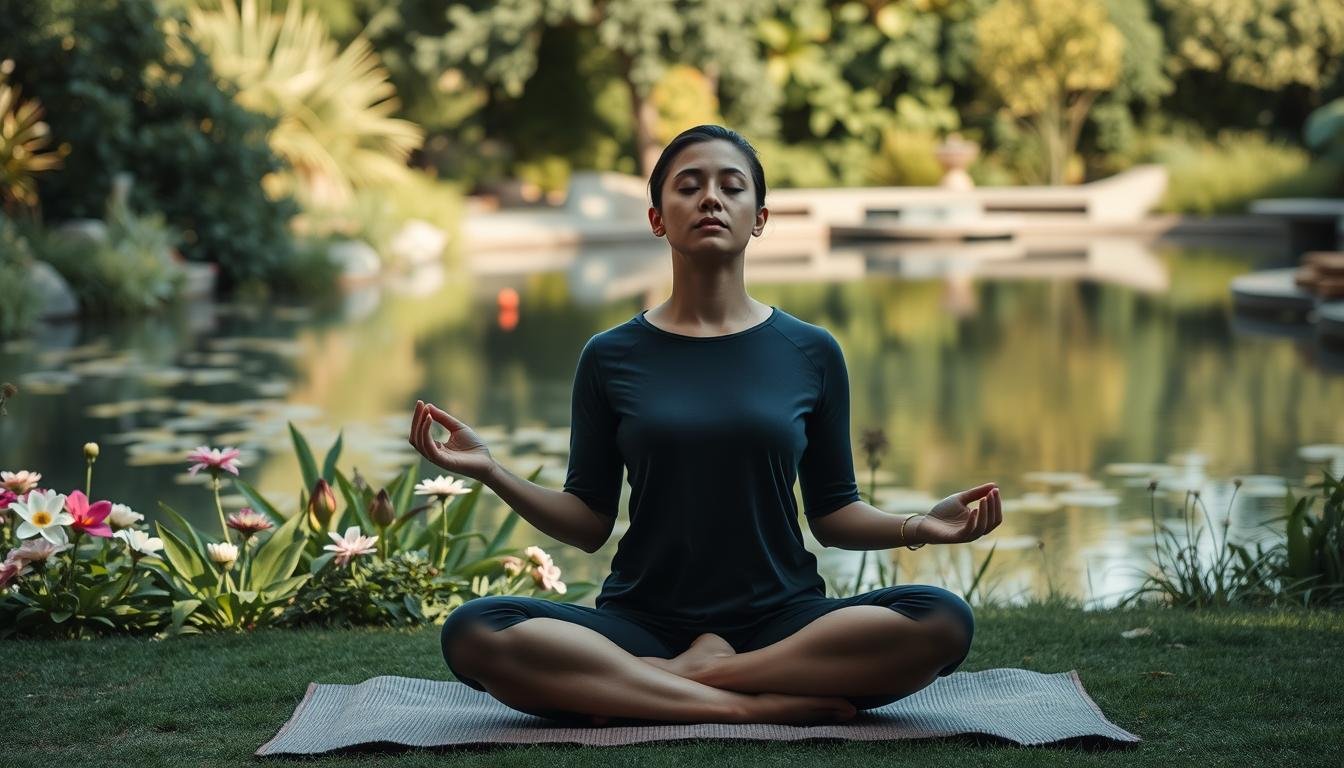
In today’s fast world, finding inner peace and calmness is tough. A regular meditation practice can help you feel calm and balanced. It’s a powerful tool for life’s ups and downs.
This meditation guide will teach you many techniques. You’ll learn to calm your mind, lower stress, and understand yourself better.
Starting this journey, you’ll see meditation’s many benefits. It can greatly improve your well-being.
Key Takeaways
- Understand the concept of meditation and its benefits
- Learn techniques to calm the mind and reduce stress
- Cultivate a deeper sense of self-awareness
- Discover the positive impact of meditation on overall well-being
- Start your journey to inner peace and calmness
Understanding Meditation and Its Origins
Meditation has a long history, blending ancient wisdom with today’s needs. It’s a key part of spiritual and mental health for centuries.
What Is Meditation?
Meditation is about focusing your mind on something specific. It helps you feel calm and clear. It’s a way to improve your attention and find peace within.
Historical Roots of Meditation Practices
Meditation has roots in ancient places like India, China, and Egypt. These early practices were spiritual and aimed at connecting with the divine or finding enlightenment.
Modern Adaptations of Ancient Techniques
Meditation has changed over time, fitting into today’s world. Now, it’s used for health benefits like reducing stress and improving focus. Modern types include mindfulness, loving-kindness, and transcendental meditation.
Learning about meditation’s history helps us see its value today. It makes this ancient practice more relevant and helpful in our lives.
The Science Behind Meditation
Meditation is becoming more popular, and research is growing. It shows how meditation changes our brain and improves our health. This leads to many benefits for our well-being.
Neurological Effects of Regular Practice
Regular meditation changes our brain’s pathways. It improves how we think and feel. Studies have seen changes in brain areas linked to attention, emotions, and memory.
Research-Backed Benefits
Research has found many benefits of meditation. These include:
- Reduced stress and anxiety
- Improved focus and concentration
- Enhanced emotional well-being
- Better sleep quality
These benefits are backed by science. They show how meditation positively affects our health.
How Meditation Changes Brain Structure
Meditation changes our brain’s structure. Studies show more grey matter in areas for attention, emotions, and memory. This lets our brain adapt and change with regular practice.
Physical and Mental Health Benefits
Meditation is good for your health in many ways. It helps reduce stress and improve sleep. Knowing these benefits can make you see why meditation is important.
Stress Reduction and Management
Meditation is great for managing stress. It works in several ways:
Cortisol Reduction
Meditation lowers cortisol, the stress hormone. This can make you feel less stressed.
Blood Pressure Improvement
It also lowers blood pressure. This is good for your heart and overall health.
Improved Focus and Concentration
Meditation makes you more focused. This is helpful in today’s busy world.
Enhanced Emotional Well-being
Meditation boosts your mood and emotional control. It helps you see life more positively.
Better Sleep Quality
It also improves sleep. Meditation reduces stress and helps you relax better.
| Benefit | Description |
|---|---|
| Stress Reduction | Decreases cortisol levels and anxiety |
| Improved Focus | Enhances concentration and attention |
| Emotional Well-being | Promotes a positive outlook and emotional management |
| Better Sleep | Improves sleep quality through relaxation |
A study found that meditation greatly improves health. It’s good for both body and mind. Adding meditation to your day can greatly benefit your health.
Comprehensive Meditation Guide for Beginners
Starting a meditation practice is a personal journey. It requires patience, understanding, and the right mindset. As a beginner, it’s important to approach meditation with an open mind and a willingness to learn.
Setting Realistic Expectations
One of the biggest challenges for new meditators is setting realistic expectations. Meditation isn’t about achieving a specific state. It’s about cultivating awareness and kindness towards oneself.
Beginners should expect their minds to wander. It’s okay if they do. Gently bringing the focus back to the chosen meditation object is part of the process.
Creating a Sustainable Practice
Consistency is key to developing a meditation habit. Start with short, manageable sessions, even just a few minutes a day. This can help establish a routine.
It’s also beneficial to identify a quiet, comfortable space for meditation. This space should be free from distractions.
Common Misconceptions About Meditation
Many people believe that meditation is about stopping thoughts completely. This can be discouraging for beginners when they find their minds are active. However, the goal of meditation isn’t to achieve a blank mind.
The goal is to learn to observe thoughts without judgment. This is a more realistic and achievable goal.
First Steps for New Meditators
For those new to meditation, guided meditations can be a helpful starting point. There are numerous apps and online resources that offer guided sessions tailored to beginners. The key is to be patient and persistent.
Allow the practice to evolve naturally over time. By understanding what to expect and how to start, beginners can set themselves up for success on their meditation journey. With consistent practice, meditation can become a valuable tool for enhancing mental and emotional well-being.
Popular Meditation Techniques
Meditation offers many paths to inner peace and self-discovery. There are various techniques to choose from. This lets people find what works best for them.
Mindfulness Meditation
Mindfulness meditation is about being present in the moment. It often involves focusing on breath or body sensations. This helps cultivate awareness without judgment.
Basic Breath Awareness
Basic breath awareness is about focusing on your breath. You observe its sensation and let go of thoughts. It’s a simple yet powerful technique that can be done anywhere.
Mindful Observation
Mindful observation is about noticing your surroundings. You pay attention to sights, sounds, and smells without attachment. This practice improves sensory perception and calmness.
Loving-Kindness Meditation
Loving-kindness meditation, or Metta meditation, aims to cultivate love and kindness. It’s about being kind to yourself and others. This practice fosters connection and empathy.
Body Scan Meditation
Body scan meditation involves focusing on different body parts. It’s done while lying down or sitting comfortably. This technique helps release tension and promotes relaxation.
Transcendental Meditation
Transcendental meditation uses a mantra to quiet the mind. It aims to access a deeper state of consciousness. The practice is done for 20 minutes, twice a day.
Zen Meditation
Zen meditation, or Zazen, focuses on posture, breath, and mental clarity. Practitioners often use breath or a koan to reach a state called satori.
Exploring these meditation techniques can help you find what works best. This can improve your meditation practice and overall well-being.
Creating Your Ideal Meditation Space
A well-designed meditation space can greatly improve your mindfulness. To make a space for inner peace, focus on a few key elements.
Essential Elements for a Peaceful Environment
A quiet and calm space is key for meditation. Make sure your area is free from clutter. Use soothing colors and natural light to create a peaceful vibe.
- Choose calming colors like blue or green for walls.
- Add plants for a natural touch.
- Keep the space well-ventilated.
Minimizing Distractions
Reducing distractions is crucial for focus during meditation. You can do this by cutting down on outside noise and picking a comfy seat.
- Use earplugs or white noise machines to block out noise.
- Find a quiet spot in your home.
- Think about using a meditation room divider.
Tools and Props to Enhance Your Practice
The right tools and props can really boost your meditation. You might need seating, timers, and sound instruments.
Cushions and Seating Options
Having the right seat is important for meditation. Look into meditation cushions or chairs made for meditation.
Timers help you stay on track. Sound instruments like singing bowls or bells can also make your meditation better.
- Use a meditation timer for consistent sessions.
- Add sound instruments for a calming atmosphere.
Establishing a Daily Meditation Routine
Meditation can help you manage stress and improve your health. To make it a habit, find a routine that works for you.
Finding the Right Time to Meditate
Choose a time to meditate that you can stick to. Many like meditating in the morning to start the day right. Others prefer it during lunch or before bed to relax.
Starting Small: 5-Minute Practices
Start with short sessions, like 5 minutes. This makes it easier to get into the habit. As you get more comfortable, you can meditate for longer.
Gradually Extending Your Sessions
As you get used to meditating, you can make your sessions longer. Try adding a minute or two each week. This way, you won’t get frustrated and will stay motivated.
Tracking Your Progress
Tracking your meditation can be motivating. Use a journal or app to log your sessions. Seeing your progress can keep you going.
Integrating Meditation into Busy Schedules
Even with a packed schedule, you can meditate. Try it during your commute, right after waking up, or before a meeting. Being flexible helps you stay consistent.
| Tips for Busy Schedules | Benefits |
|---|---|
| Meditate during your commute | Reduces stress |
| Use a meditation app | Guided sessions |
| Start small | Builds habit |
By using these tips, you can enjoy meditation’s benefits, even with a busy life.
Overcoming Common Meditation Challenges
Meditation can be very rewarding, but many face common challenges. These can include a wandering mind or physical discomfort. Understanding how to overcome these is key for a fulfilling experience.
Dealing with a Wandering Mind
Dealing with a wandering mind is a common challenge. It’s normal for your mind to wander. The trick is to acknowledge it and gently bring your focus back without judgment. Regular practice improves your focus, making it easier to manage a wandering mind.
Managing Physical Discomfort
Physical discomfort is another challenge. Finding a comfortable meditation posture is crucial. Use cushions or chairs for support and try different positions to find what works best. Being mindful of your body’s needs can greatly improve your experience.
Maintaining Consistency
Keeping up a meditation practice can be tough, especially with a busy schedule. Start with a realistic goal, like meditating for a few minutes each day. Consistency is more important than duration. Even short daily practices are beneficial. Try meditating at the same time each day to make it a habit.
Working Through Emotional Resistance
Emotional resistance can make meditation challenging. It’s important to approach these emotions with kindness and compassion. Acknowledge your feelings and remember it’s okay to experience a range of emotions. This can help you overcome resistance and deepen your practice.
When to Seek Additional Guidance
If you’re struggling on your own, seeking additional guidance can help. Consider talking to a meditation teacher or joining a group. Seeking support can offer new techniques and motivation to improve your practice.
| Challenge | Solution |
|---|---|
| Wandering Mind | Gently refocus attention |
| Physical Discomfort | Adjust posture and use support |
| Emotional Resistance | Practice kindness and compassion |
| Lack of Consistency | Set realistic goals and schedule |
Meditation Apps and Digital Resources
Finding the right tools for meditation has never been easier. The internet offers many options for everyone. You can find apps for beginners or advanced meditations.
Top-Rated Meditation Apps
Meditation apps are very popular. They make it easy to meditate anywhere, anytime. Here are some of the best ones:
Free Options
- Insight Timer: It has lots of free guided meditations and tracks your progress.
- Meditation Studio: It offers free guided meditations for different needs.
Subscription-Based Services
- Headspace: It has personalized meditation plans and is easy to use.
- Calm: It has guided meditations, sleep stories, and relaxing music.
Helpful Books for Deepening Your Practice
Books can also help deepen your meditation practice. “The Miracle of Mindfulness” by Thich Nhat Hanh and “Wherever You Go, There You Are” by Jon Kabat-Zinn are great choices.
Online Communities and Support Groups
Online communities offer extra motivation and support. Sites like Reddit’s r/Meditation and Discord’s meditation forums are great places to connect. You can share your experiences and get advice.
Guided Meditation Resources
Guided meditations are perfect for beginners or to deepen your practice. Meditation Oasis and Guided Meditation on YouTube have many sessions. They help with stress, focus, and more.
Advanced Meditation Practices
Advanced meditation takes you deeper into relaxation and insight. It’s for those who want to dive deeper into their mental and emotional health. These practices help you grow in your meditation journey.
Silent Retreats and Extended Sessions
Silent retreats are great for deep thinking and meditation. They last from a few days to weeks. This lets you focus on meditation without daily distractions.
Longer sessions during these retreats improve your concentration and awareness.
Incorporating Visualization Techniques
Visualization uses mental images to relax, focus, or achieve goals. It makes your meditation stronger. Imagine a calm place or your success.
Moving Beyond Basic Practices
When you get the hang of basic meditation, try more. Mix meditation with yoga or tai chi. Or try complex visualizations and thoughts.
Meditation for Specific Life Challenges
Meditation helps with many life challenges. It’s great for tough emotions or physical pain.
Meditation for Grief
Meditation helps with grief. It’s a safe space to feel and work through your loss.
Meditation for Chronic Pain
Meditation can ease chronic pain. Techniques like body scan meditation reduce pain and improve life quality.
Advanced meditation practices help you grow and find peace. They unlock new levels of understanding and calm.
Conclusion
Meditation can change your life by bringing inner peace and calmness. It’s rooted in ancient traditions and backed by science. This shows how it can improve both body and mind.
Starting a meditation habit, even for a few minutes a day, can help a lot. It can lower stress, boost focus, and make you feel better emotionally. There are many ways to meditate, like mindfulness and loving-kindness, so you can find what suits you.
Creating a quiet space for meditation and facing challenges can make your practice stronger. Remember, meditation isn’t about reaching a certain state. It’s about being aware and accepting now.
Regular meditation can make your life calmer and more centered. It brings a deeper sense of peace. With the help of this guide, you’re ready to explore meditation’s full benefits for a more peaceful life.
FAQ
What is the best time to meditate?
Meditate early in the morning or before bed. These times are usually quieter, helping you focus better.
How long should I meditate for as a beginner?
Start with 5-10 minutes as a beginner. Then, you can increase the time as you get more comfortable.
What are the benefits of using a meditation app?
Apps like Headspace and Calm offer guided meditations. They also track your progress and suggest personalized sessions.
Can meditation help with stress and anxiety?
Yes, meditation can help. It promotes relaxation, improves emotional control, and boosts resilience.
How can I create a peaceful meditation space at home?
Use calming colors and remove distractions. Add candles, plants, or a meditation cushion for a peaceful vibe.
What is mindfulness meditation?
Mindfulness meditation focuses on the present moment. It involves breathing, body awareness, or emotional acceptance.
Can I meditate if I’m not flexible or have physical limitations?
Yes, meditation is for everyone. You can meditate sitting, lying down, or even in a chair. Many methods don’t need special poses.
How can I stay motivated to meditate regularly?
Set achievable goals and track your progress. Having a meditation buddy or joining a group can also help.
What is the difference between transcendental meditation and other techniques?
Transcendental meditation uses a mantra to quiet the mind. Other methods, like mindfulness, focus on different things.
Can meditation be used in conjunction with other wellness practices?
Yes, meditation pairs well with yoga, tai chi, or journaling. It can improve your overall well-being.