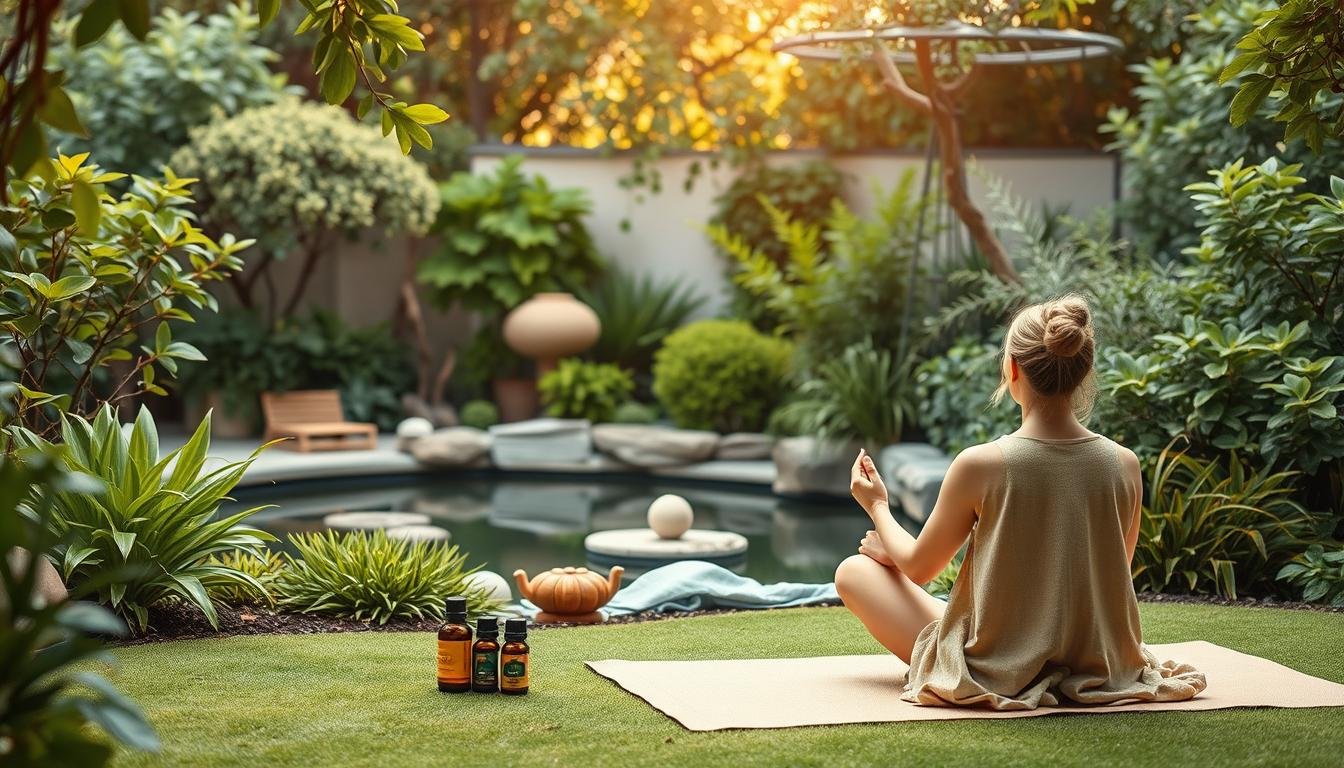
Managing anxiety is key for our well-being. Modern life can be overwhelming. But, there are many effective anxiety management methods to try.
Adding stress relief to our daily lives can lower anxiety. This article will look at anxiety control ways that really work.
Key Takeaways
- Understanding what causes anxiety is important for managing it.
- Making simple lifestyle changes can greatly reduce anxiety.
- Techniques like mindfulness and meditation can help manage anxiety.
- Getting professional help is an option for those with anxiety.
- Practicing stress relief every day can boost our overall well-being.
Understanding Anxiety and Its Impact
Anxiety is a complex condition that affects millions worldwide. It shows up in many ways and can really impact daily life. It’s a big mental health issue that needs a deep understanding to manage well.
Common Symptoms of Anxiety
Symptoms of anxiety vary from person to person. But common signs include feeling worried, fearful, or uneasy all the time. You might also notice physical signs like a fast heartbeat, sweating, and shaking. Spotting these symptoms is key to managing anxiety.
Different Types of Anxiety Disorders
There are many types of anxiety disorders. These include Generalized Anxiety Disorder (GAD), Panic Disorder, Social Anxiety Disorder, and Phobias. Each one has its own traits and needs its own way of being managed.
How Anxiety Affects Daily Life
Anxiety can really mess with your daily life. It can hurt your work, relationships, and overall mental well-being. If not handled, it can lead to avoiding things and feeling isolated.
| Aspect of Life | Impact of Anxiety |
|---|---|
| Work/Studies | Reduced productivity, difficulty concentrating |
| Relationships | Strained relationships due to avoidance or irritability |
| Physical Health | Increased risk of chronic health conditions |
It’s important to understand anxiety’s many sides. This helps in finding good ways to cope and improve your mental health.
Proven Anxiety Control Ways That Work
Controlling anxiety needs a mix of quick fixes and long-term plans. It’s about understanding your anxiety, finding fast relief, and using strategies to manage it over time.
Quick Relief Techniques
Quick fixes are key for sudden anxiety attacks. They calm your mind and body fast.
The 5-4-3-2-1 Grounding Method
The 5-4-3-2-1 method is simple yet powerful. It makes you notice five sights, four touches, three sounds, two smells, and one taste. It distracts you from worries and keeps you in the now.
Box Breathing Technique
Box breathing, or square breathing, is a calming method. You breathe in for four counts, hold for four, breathe out for four, and hold again for four. It shapes your breath into a box, easing anxiety.
Long-Term Management Strategies
Long-term plans are vital for lasting anxiety control. They include regular relaxation, exercise, and therapy.
Creating Your Anxiety Control Plan
Making a personal plan means knowing your triggers and symptoms. “It’s about finding what works for you and sticking to it.” As
“The greatest wealth is health.”
Combining quick fixes with long-term strategies helps manage anxiety well. Regular practice and patience are crucial for success.
Physical Techniques for Managing Anxiety
Physical techniques are key in managing anxiety. They offer simple ways to reduce stress. These methods can be added to your daily routine to ease anxiety symptoms.
Deep Breathing Exercises
Deep breathing exercises involve slow, deep breaths. They calm the mind and body. This method slows down the heart rate and promotes relaxation. Regular practice can improve anxiety management.
Progressive Muscle Relaxation
Progressive muscle relaxation involves tensing and relaxing muscles. It helps release physical tension. This can reduce anxiety and bring a sense of calm.
Physical Exercise and Its Benefits
Physical exercise is a strong tool against anxiety. It releases endorphins, or “feel-good” hormones. This can help reduce anxiety symptoms.
Aerobic Exercise
Aerobic exercises, like running or cycling, are great for anxiety. They improve heart health and mood.
Yoga and Tai Chi
Yoga and tai chi mix physical movement with deep breathing. They promote relaxation and reduce anxiety. These practices also enhance flexibility and balance.
| Technique | Benefits | Frequency |
|---|---|---|
| Deep Breathing Exercises | Reduces heart rate, promotes relaxation | Daily |
| Progressive Muscle Relaxation | Releases physical tension, reduces anxiety | 3-4 times a week |
| Aerobic Exercise | Improves cardiovascular health, boosts mood | 3-4 times a week |
| Yoga and Tai Chi | Promotes relaxation, improves flexibility | 2-3 times a week |
Mindfulness and Meditation Practices
Mindfulness and meditation are great ways to handle anxiety. They help you stay in the present moment. This way, you can forget about past or future worries and feel calmer.
Guided Meditation for Anxiety Relief
Guided meditation lets you follow a narrator’s voice. It’s great for beginners or those who find it hard to quiet their minds. Guided meditation sessions are easy to find online or on mobile apps. They make it simple to practice mindfulness.
Body Scan Meditation
Body scan meditation involves focusing on your body, starting from your toes and moving up to your head. It helps release physical tension and relaxes you. It’s a simple yet effective way to reduce anxiety.
Incorporating Mindfulness into Daily Life
Adding mindfulness to your daily activities can boost its benefits. Simple steps include focusing on your breath while doing tasks or taking short mindfulness breaks. Here are some tips to get started:
- Start with short mindfulness exercises, such as deep breathing.
- Practice mindfulness during daily routines like eating or showering.
- Use mindfulness apps to guide your practice.
By adding these mindfulness and meditation practices to your daily routine, you can manage anxiety better. This will also improve your overall well-being.
Cognitive Behavioral Strategies
Cognitive Behavioral Strategies are key for those wanting to control anxiety and boost their mental health. They help spot and challenge negative thoughts that lead to anxiety.
Identifying Negative Thought Patterns
Negative thoughts, or cognitive distortions, can make anxiety worse. Common ones include catastrophizing and all-or-nothing thinking. Spotting these is the first step to managing anxiety.
- Pay attention to your thoughts when you feel anxious.
- Identify any negative patterns that keep showing up.
- Keep a thought journal to track these patterns.
Challenging Anxious Thoughts
After spotting negative thoughts, it’s important to challenge them. This means looking at the evidence for and against these thoughts. Then, think of more balanced views.
Example:Instead of thinking “I will fail,” say to yourself “I am prepared, and I will do my best.”
Developing Coping Statements
Coping statements are positive affirmations that fight off negative thoughts. Making and practicing these statements can help you stay strong against anxiety.
“The mind is everything. What you think you become.” – Buddha
By using these Cognitive Behavioral Strategies every day, people can handle anxiety better and improve their mental health.
Lifestyle Changes to Reduce Anxiety
Making lifestyle changes can help reduce anxiety. Simple changes in daily routines can lower anxiety levels and boost well-being.
Sleep Hygiene and Anxiety
Good sleep hygiene is key for anxiety management. Stick to a regular sleep schedule and have a calming bedtime routine. Also, avoid screens before bed. Bad sleep can make anxiety worse, so sleep well.
Nutrition and Its Impact on Anxiety
Eating a balanced diet with whole foods, fruits, and veggies can ease anxiety. Foods like omega-3 fatty acids are good for mental health. A healthy body can better handle stress and anxiety.
Limiting Caffeine and Alcohol
Caffeine and alcohol can affect anxiety. Too much caffeine can make you jittery and anxious. Alcohol might seem to help but can actually increase anxiety over time. Drink in moderation.
| Lifestyle Change | Impact on Anxiety |
|---|---|
| Improved Sleep Hygiene | Reduces anxiety symptoms |
| Balanced Nutrition | Supports mental health |
| Limiting Caffeine and Alcohol | Reduces anxiety triggers |
Digital Tools and Technology for Anxiety Management
Digital tools are now key in managing anxiety. Technology has brought many solutions to help reduce anxiety and boost mental health.
Anxiety Management Apps
Anxiety apps are popular for managing anxiety. They offer features like guided meditations and mood tracking.
Meditation Apps
Apps like Calm and Headspace offer guided meditations. They help people relax and lower their anxiety.
Mood Tracking Apps
Mood tracking apps let users track their emotions. They help find patterns and triggers of anxiety.
Online Therapy Options
Online therapy platforms make getting help easy. They offer cognitive-behavioral therapy and counseling.
Biofeedback and Wearable Technology
Biofeedback devices and wearables track stress responses. They help people learn to control their anxiety.
| Tool | Description | Benefits |
|---|---|---|
| Meditation Apps | Guided meditation sessions | Reduces stress, improves focus |
| Mood Tracking Apps | Monitors emotional state | Identifies anxiety patterns |
| Online Therapy | Professional counseling services | Convenient access to therapy |
Conclusion
Controlling anxiety is possible with the right approach. Understanding its effects and using proven methods can help. Making lifestyle changes also plays a big role.
There are many ways to manage anxiety. Techniques like deep breathing and progressive muscle relaxation can help. Mindfulness and cognitive behavioral strategies also offer relief.
Using digital tools and technology can add extra support. Apps and online therapy are great resources. By trying different methods, you can create a plan that works for you.
FAQ
What are some effective ways to control anxiety?
Deep breathing, progressive muscle relaxation, and mindfulness meditation can help. Physical exercise and cognitive behavioral strategies are also good. Improving sleep and nutrition are key lifestyle changes.
How can I quickly relieve anxiety symptoms?
Try the 5-4-3-2-1 grounding method, box breathing, or guided meditation. These can calm your mind and body fast.
What is the role of physical exercise in managing anxiety?
Exercise like aerobic activities, yoga, and tai chi can reduce anxiety. They release endorphins, improve mood, and boost well-being.
How can mindfulness and meditation practices help with anxiety?
Mindfulness and meditation, like body scan and guided meditation, increase awareness. They help manage anxiety by understanding thoughts and feelings better.
Can digital tools and technology help manage anxiety?
Yes, digital tools and technology offer extra help. Anxiety apps, online therapy, and wearable tech are available to manage anxiety.
What lifestyle changes can help reduce anxiety?
Good sleep, balanced nutrition, and avoiding caffeine and alcohol are important. They help lower anxiety levels.
How can cognitive behavioral strategies help with anxiety management?
Cognitive behavioral strategies change thought patterns and behaviors. They help manage anxiety by identifying and challenging negative thoughts.